

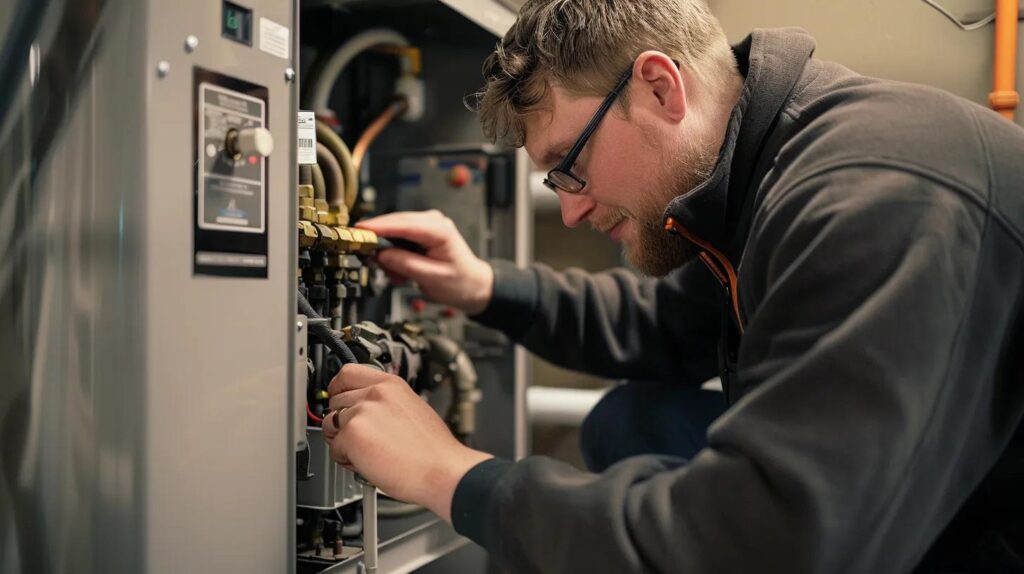
Essential Furnace Maintenance Steps to Ensure Longevity After Installation: A Comprehensive Guide for New Furnace Owners
The period immediately after a new furnace installation is critical: targeted maintenance in the first year establishes reliable performance, preserves manufacturer warranties, and maximizes operating efficiency. This guide explains what post-installation maintenance means, why proactive steps reduce wear on core components, and how timely inspections prevent small issues from becoming major failures. New furnace owners will learn a clear timeline for the first 48 hours, first-month checks, monthly/quarterly DIY tasks, and the annual professional tune-up schedule that manufacturers commonly expect. The article maps essential maintenance tasks, safety checks, energy-saving measures, warranty and break-in actions, and how a local maintenance plan can simplify recordkeeping and priority service in Palm Desert, CA. Read on for step-by-step instructions, quick-reference lists, and tables that translate technical tasks into practical actions you can perform or schedule to extend your furnace’s service life.
What Are the Key Maintenance Tasks for a New Furnace After Installation?
Post-installation maintenance focuses on keeping airflow unobstructed, confirming combustion safety, and documenting routine service so the system ages without accelerated wear. Essential tasks include regular air filter inspection and replacement, visual and operational checks during the first 24–48 hours, clearing the area around the furnace, and scheduling the first professional tune-up within the first year.
These tasks directly influence blower motor load, heat-exchanger stress, and overall system cycling, and they are designed to prevent common early-life failures. Below is a concise list that targets the top actions homeowners should prioritize immediately after installation and during year one, followed by a short checklist table that clarifies intervals and owner responsibilities.
The following numbered list summarizes the most important, actionable maintenance items for new furnace owners:
- Inspect and document the air filter: Check within the first week and establish a replacement log.
- Run short system cycles during the first 48 hours: Listen for unusual noises and check for combustion odors.
- Verify thermostat settings and operation: Confirm accurate temperature response and scheduling.
- Keep vents and the furnace area clear: Ensure unrestricted airflow and proper combustion air.
- Schedule professional annual tune-up: Arrange a documented inspection to support warranty requirements.
These actions form the foundation of reliable operation and lead naturally to specific guidance about filter care and immediate post-installation checks.
Before the table below, this short paragraph explains the table’s purpose: the table translates components and tasks into recommended frequencies and concise notes for new systems so owners know what to check and when.
| Component | Maintenance Task | Frequency / Notes |
|---|---|---|
| Air filter | Inspect and replace; record replacement | Check monthly; replace every 1–3 months depending on filter and household |
| Blower motor & housing | Visual clean and listen for vibration; professional cleaning if dusty | Inspect quarterly; professional cleaning at annual tune-up |
| Vents & registers | Visual inspection and airflow check; vacuum if dusty | Monthly visual check; clean seasonally |
| Condensate drain (if present) | Flush and inspect for clogs or leaks | Inspect monthly during first year; flush quarterly |
| Thermostat | Verify calibration and battery (if applicable) | Test at installation and monthly during first season |
The table above helps owners prioritize checks and establishes a simple log-friendly framework that supports warranty documentation and annual service planning.
How Often Should You Replace or Clean Your Furnace Air Filter?
The air filter controls airflow and protects internal components; proper replacement intervals minimize blower strain and help maintain combustion efficiency. Check the filter monthly for visible dirt and reduced airflow, and replace it based on filter type and household conditions: inexpensive fiberglass filters often need replacement every 1 month, pleated filters typically every 2–3 months, and high-MERV or HEPA-style filters may require more frequent checks because they restrict airflow as they load. Households with pets, smokers, or allergy sufferers should lean to the shorter end of the interval and keep a simple log noting dates and filter type to support warranty expectations. Documenting filter changes demonstrates responsible maintenance and creates an audit trail that can be useful if the manufacturer requires proof of regular care.
Keeping a consistent filter schedule also reduces the likelihood of premature blower motor wear and helps maintain proper heat exchange efficiency. The next section explains the immediate post-installation checks you should complete in the first 24–48 hours to catch installation issues early.
What Immediate Post-Installation Checks Should You Perform?
Within the first 24–48 hours after installation you should run a series of short, deliberate checks to ensure the system was commissioned correctly and shows no early defects. Start by confirming thermostat programming and observing system response during short heat cycles; listen for rattles, grinding, or high-pitched noises and note any unusual combustion or electrical smells which can indicate improper venting or wiring. Inspect registers and return vents to confirm balanced airflow and check for visible gaps or disconnected ductwork that can reduce efficiency. Finally, confirm that the furnace area is clear of combustibles and that the installer left a written start-up checklist or commissioning report to retain with your warranty documentation.
These immediate checks reduce the chance that latent installation issues go unnoticed and they set the stage for regular filter and operational inspections covered next.
How Does Regular Professional Furnace Tune-Up Extend Your New System’s Lifespan?
A professional annual tune-up extends a furnace’s lifespan by finding and correcting small problems that otherwise lead to component failure, maintaining combustion efficiency, and ensuring safety systems function correctly. Technicians inspect the heat exchanger for cracks, test safety controls, measure combustion performance, tighten electrical connections, and clean or adjust moving parts so the system runs with less stress. This preventative approach reduces thermal and mechanical stress on the blower motor and heat exchanger, which are the most expensive components to replace, and helps maintain AFUE-level efficiency over time. Below are the typical tune-up actions and the reasons each task matters for long-term reliability and warranty compliance.
A professional tune-up commonly includes these core tasks:
- Heat exchanger inspection and leak check to detect hairline cracks that can lead to combustion gas issues.
- Combustion analysis and gas pressure adjustment to ensure efficient fuel use and safe operation.
- Blower assembly inspection and cleaning to reduce motor strain and extend motor life.
- Electrical connection tightening and safety control testing to prevent intermittent failures and ensure safe shutdowns.
After discussing what tune-ups include, it’s useful to see a brief, real-world service example that demonstrates how professional maintenance translates into documented warranty support and peace of mind. First Choice A/C & Heating Inc. is a family-owned company specializing in solar panel and HVAC services, including air conditioning and heating repair and replacement. Services include Heating Repair, Heating Replacement, and a Maintenance Plan. NATE-certified team. Local service area: Palm Desert, CA, and surrounding areas in California. Website emphasizes solar solutions but lists heating services and maintenance plan.
What Does an Annual Furnace Tune-Up Include for New Systems?
An annual tune-up for a new furnace is a multi-point inspection and servicing appointment designed to restore factory-level performance and verify safe operation. Typical steps include a thorough heat exchanger inspection, combustion efficiency testing with measurement of CO and flue gas, cleaning and adjusting the burner assembly, inspecting and lubricating the blower and motor bearings if applicable, verifying proper gas pressure, and tightening electrical connections. Technicians also check and calibrate the thermostat, test safety switches and limit controls, and confirm proper venting and drainage for direct-vent or condensing systems. The combination of cleaning, calibration, and safety testing reduces inefficient cycling and prevents stress-related failures.
Documenting these tune-up actions in a written service report creates the record many manufacturers require for warranty compliance and provides a baseline for diagnosing future deviations in system performance.
Why Is Professional Maintenance Critical for Warranty Compliance and Safety?
Professional maintenance is often a stated condition in furnace warranties because trained technicians can perform the specific inspections and tests manufacturers require to preserve coverage. Service documentation demonstrates that the owner met annual maintenance obligations, which helps if warranty claims arise for parts like the heat exchanger or control modules. Beyond paperwork, professional inspections identify installation errors such as improper venting or combustion imbalances that can lead to carbon monoxide risks or inefficient operation. Regular technician visits thus serve both legal/contractual purposes and critical safety functions by catching hazardous conditions before they escalate.
Ensuring timely, documented professional maintenance protects both your warranty standing and the safety of household occupants, leading into practical energy-efficiency measures that also preserve lifespan.
How Can You Maximize Your New Furnace’s Energy Efficiency and Longevity?
Maximizing efficiency and longevity combines behavioral changes, small upgrades, and whole-home coordination to reduce run-time and system stress. Proper thermostat programming reduces unnecessary cycles, duct sealing and insulation lower load on the furnace, and routine small maintenance steps keep components operating within design tolerances. Integrating the furnace into whole-home energy strategies—like load-shifting during peak rates or coordinating with solar generation—lowers net energy demand and smooths operating cycles, which reduces thermal fatigue on the heat exchanger. The following EAV table compares several energy-saving measures, expected savings, and practical setup notes to help prioritize investments.
| Measure | Expected Savings | Typical Setup Notes |
|---|---|---|
| Programmable / Smart thermostat | 5–12% heating savings | Ensure compatibility with furnace; enable setback schedules |
| Duct sealing and insulation | 5–20% system delivery improvement | Focus on accessible joints and attic/main trunk lines |
| Improved filtration with proper airflow | Indirect savings via reduced blower strain | Use filters that balance MERV and airflow; log replacements |
| Solar + load shifting | Varies by system; can offset grid use | Coordinate thermostat schedules with solar production for daytime savings |
Practical steps you can take today include proper thermostat programming, sealing visible duct leaks, and maintaining filters—each action reduces unnecessary runtime and supports longer component life. For homeowners interested in whole-home optimization, local providers that specialize in both solar and HVAC can help coordinate system interactions to maximize net energy performance and longevity.
What Role Do Smart Thermostats Play in Furnace Performance?
Smart thermostats improve furnace performance by optimizing runtime through adaptive scheduling, learning algorithms, and remote monitoring capabilities. By reducing unnecessary setpoint changes and preconditioning spaces when energy is cheaper or when solar output is available, smart thermostats decrease cycle frequency and average runtime, which reduces wear on starters, igniters, and the blower motor. Remote alerts and usage reports also help homeowners detect abnormal patterns—like short-cycling—that indicate maintenance needs. When paired with proper setup and ductwork, smart thermostats can deliver measurable efficiency gains without invasive equipment changes.
Moving from controls to hands-on tasks, the next subsection outlines routine DIY maintenance steps that homeowners can safely perform to keep systems healthy between professional visits.
Which Routine DIY Maintenance Steps Help Prevent Furnace Breakdowns?
Simple, safe DIY tasks reduce the chance of breakdowns and help maintain warranty-friendly documentation. Monthly filter inspections and prompt replacements, visual checks of vents and return grilles to confirm airflow, clearing dust and debris from the furnace area, and replacing thermostat batteries regularly are high-impact tasks owners can perform. Additionally, owners can visually inspect the condensate drain and test system operation after a filter change to ensure normal cycling. Always follow manufacturer’s safety cautions and avoid opening panels or attempting repairs that require specialized tools or certification.
Consistent DIY maintenance both reduces emergency repairs and creates a documented history of care that supports warranty claims and professional diagnostics.
What Are the Essential Safety Checks for Your New Furnace?
Essential safety checks center on combustion product detection, gas-leak awareness, and recognizing red-flag symptoms that require immediate professional response. Carbon monoxide detection, proper venting inspections, gas-odor protocols, and annual professional safety inspections form the backbone of a safe home heating program. These checks reduce the risk of CO poisoning and gas-related incidents while ensuring the furnace operates within safe combustion parameters. Below is a short list of safety devices and actions, followed by guidance on when to contact a technician.
- Install carbon monoxide detectors on every level and outside sleeping areas and test them monthly.
- Know the smell of gas and follow immediate evacuation and utility-company procedures if detected.
- Schedule annual safety inspections by a qualified technician to verify venting integrity and combustion performance.
These safety measures protect occupants and connect directly to the discussion of carbon monoxide detectors and alarm response procedures that follows.
How Do Carbon Monoxide Detectors Protect Your Home?
Carbon monoxide (CO) detectors provide early warning of combustion-related hazards by continuously sampling air and sounding an alarm at unsafe concentrations, allowing occupants to evacuate and seek professional diagnosis. Place detectors near sleeping areas and on each floor, test units monthly, and replace batteries or expired units according to manufacturer guidance. Recognize common CO symptoms—headache, dizziness, nausea—and treat alarms seriously by leaving the home and calling emergency services when safe to do so. Proper detector placement and maintenance reduce the risk of undetected CO exposure from heat exchangers, blocked vents, or incomplete combustion.
Understanding detector function and maintenance helps homeowners respond appropriately to alarms and supports the broader safety advice in the next subsection about when to call a professional.
When Should You Call a Professional for Furnace Safety Inspections?
Call a professional immediately for any gas odor, CO alarm activation, visible cracks in the heat exchanger, persistent unusual noises, or repeated cycling failures. For non-emergency but urgent issues—such as a noticeable drop in heat output, frequent short-cycling, or unexplained increases in energy use—schedule a prompt inspection within a few days. Annual professional safety inspections remain best practice for preventative care and compliance with many warranty terms. When in doubt, err on the side of safety and involve a qualified technician to diagnose combustion and venting issues.
Timely professional response prevents hazardous conditions from worsening and sets up the final service-oriented discussion about local maintenance plans.
Conclusion
Implementing essential maintenance steps after your furnace installation ensures optimal performance, longevity, and safety for your home. By following the outlined tasks and scheduling regular professional tune-ups, you can prevent costly repairs and maintain warranty compliance. Take proactive measures today to secure your furnace’s efficiency and reliability for years to come. Explore our maintenance plans and schedule your first service to keep your system running smoothly.