

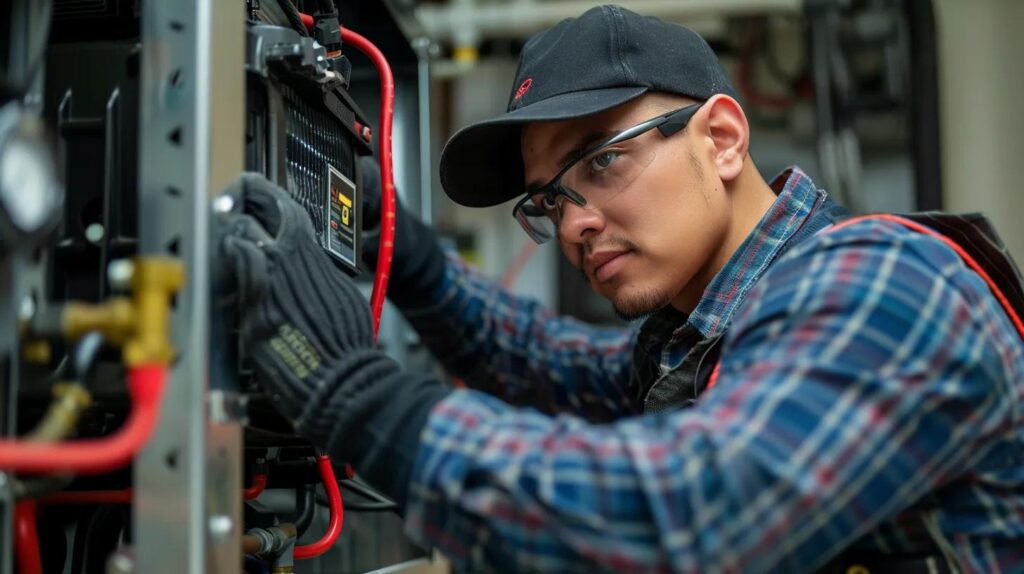
Clear Signs It’s Time to Repair Your Furnace
As winter approaches, ensuring your furnace operates efficiently becomes crucial for maintaining a comfortable home environment. Recognizing the signs that indicate your furnace may need repair can save you from unexpected breakdowns and costly emergency repairs. This article will explore the most common signs of furnace problems, troubleshooting steps you can take before calling a professional, factors influencing repair costs, and the importance of regular maintenance. By understanding these aspects, you can make informed decisions about your heating system and ensure your home remains warm and inviting. Taking proactive steps now can also extend the lifespan of your furnace and improve overall energy efficiency, helping you avoid the discomfort and expense of a heating failure during the coldest months.
What Are the Most Common Signs of Furnace Failure?
Identifying the signs of furnace problems is essential for timely repairs and maintaining a comfortable home. Common indicators include unusual noises, increased energy bills, and frequent cycling. These symptoms can signal underlying issues that, if left unaddressed, may lead to complete system failure. Additionally, you might notice uneven heating throughout your home or a persistent lack of warmth despite the furnace running. These subtle signs often precede more serious malfunctions and should not be ignored. Early detection can prevent more extensive damage and costly repairs down the line.
- Unusual Noises: If your furnace starts making strange sounds like banging, rattling, or squealing, it may indicate mechanical issues that require attention. These noises often stem from loose or worn components, which can worsen if not repaired promptly.
- Increased Energy Bills: A sudden spike in your heating costs can suggest that your furnace is working harder than it should, often due to inefficiencies or malfunctions. This inefficiency not only raises your bills but also puts extra strain on the system, potentially shortening its lifespan.
- Frequent Cycling: If your furnace turns on and off more frequently than usual, it may be a sign of a malfunctioning thermostat, improper airflow, or other issues that need to be diagnosed. Frequent cycling can cause wear and tear on the furnace components, leading to premature failure.
For those experiencing these signs, it’s advisable to consult with a professional HVAC technician. AC Experts specializes in furnace repair and maintenance, ensuring your heating system operates efficiently and effectively. Prompt professional evaluation can help diagnose the root cause and provide solutions that restore comfort and safety to your home.
How to Troubleshoot Your Heating System Before Repair
Before calling for repairs, there are several troubleshooting steps you can take to identify potential issues with your heating system. These steps can help you determine whether a professional is needed or if the problem can be resolved easily. Performing these checks regularly can also help maintain your furnace’s performance and prevent minor issues from escalating.
- Check Thermostat Settings: Ensure your thermostat is set to the desired temperature and is functioning correctly. Sometimes, a simple adjustment can resolve heating issues. Also, verify that the thermostat is set to “heat” mode and that the batteries, if applicable, are fresh.
- Inspect Air Filters: Clogged air filters can restrict airflow, causing your furnace to work harder. Regularly checking and replacing filters can improve efficiency. Dirty filters can also reduce indoor air quality and increase wear on furnace components.
- Verify Power Supply: Ensure that your furnace is receiving power. Check circuit breakers and fuses to confirm that there are no electrical issues affecting your heating system. Sometimes, a tripped breaker or blown fuse is the simple cause of a furnace not operating.
By performing these basic checks, you may be able to identify and resolve minor issues without the need for professional intervention. However, if these steps do not restore proper function, it is important to seek expert assistance to avoid further damage.
What Factors Influence Furnace Repair Cost and When to Replace Your Furnace?
Several factors can influence the cost of furnace repairs, and understanding these can help you make informed decisions about whether to repair or replace your unit. Key considerations include the age of the furnace, the frequency of repairs, and energy efficiency. Being aware of these factors can help you budget appropriately and choose the most cost-effective option for your home.
Indeed, studies highlight the significant energy waste caused by operational faults in HVAC systems, underscoring the potential for substantial savings through timely repairs. Addressing issues early not only reduces energy consumption but also improves system reliability and comfort.
HVAC Faults: Energy Efficiency & Repair Savings
Building HVAC systems account for more than 30% of annual energy consumption in United States. However, it has become apparent that only in a small percentage of buildings do HVAC systems work efficiently or in accordance with design intent. Studies have shown that operational faults are one of the main reasons for the inefficient performance of these systems. It is estimated that an energy saving of 5 to 15 percent is achievable simply by fixing faults and optimizing building control systems.
Fault detection and diagnosis in building HVAC systems, 2010
| Factor | Description | Impact on Cost |
|---|---|---|
| Age of the Furnace | Older units may require more frequent repairs and are generally less energy-efficient. | Higher repair costs and potential replacement considerations. |
| Frequency of Repairs | If your furnace requires frequent repairs, it may be more cost-effective to replace it. | Increased overall costs and potential for a new unit. |
| Energy Efficiency | Newer, more efficient models can save on energy bills, offsetting initial costs. | Long-term savings on energy bills can justify higher upfront costs. |
When considering whether to repair or replace your furnace, it’s essential to weigh these factors carefully. Consulting with a professional can provide insights into the best course of action for your specific situation. AC Experts can assist you in evaluating your options and provide expert recommendations tailored to your needs. Additionally, considering the environmental impact of your heating system and potential rebates for energy-efficient upgrades can further influence your decision.
How Can Regular Furnace Maintenance Prevent Common Problems?
Regular maintenance is crucial for preventing common furnace problems and ensuring your heating system operates efficiently. By scheduling routine check-ups, you can enhance safety, improve indoor air quality, and achieve cost savings. Maintenance also helps identify small issues before they become major repairs, keeping your furnace running smoothly throughout the heating season. Maintenance plan is essential for homeowners to stay ahead of heating system issues.
Neglecting regular maintenance can lead to frequent and costly breakdowns, turning routine upkeep into crisis management. This not only disrupts your comfort but can also pose safety risks and increase energy consumption.
Preventive Maintenance: Avoiding Costly Breakdowns
The research points out that preventive maintenance is often neglected, affecting process continuity, and thus compromising product quality due to drops and fluctuations in operating temperature. These breakdowns tend to be frequent and longer, thus affecting production targets. This leads to crisis management, thereby increasing the direct cost of maintenance. RCM is used to create a cost-effective preventive maintenance strategy to address the dominant causes of equipment failure.
Preventive maintenance using reliability centred maintenance (RCM):
A case study of a ferrochrome manufacturing company, S Fore, 2010
- Enhanced Safety: Regular maintenance helps identify potential safety hazards, such as gas leaks or carbon monoxide emissions, ensuring your home remains safe. Early detection of these issues can prevent dangerous situations and costly emergency repairs.
- Improved Indoor Air Quality: A well-maintained furnace can reduce dust and allergens in your home, contributing to better indoor air quality. Clean components and filters help circulate cleaner air, benefiting those with allergies or respiratory conditions.
- Cost Savings: Preventative maintenance can extend the lifespan of your furnace, reducing the likelihood of costly repairs and replacements. It also helps maintain optimal efficiency, lowering your energy bills over time.
Investing in regular furnace maintenance not only enhances the performance of your heating system but also provides peace of mind during the colder months. AC Experts offers comprehensive maintenance services to keep your furnace in optimal condition, ensuring your home stays warm and comfortable all winter long. Scheduling annual inspections and tune-ups is a smart way to protect your investment and enjoy reliable heating season after season.
Frequently Asked Questions
What should I do if my furnace is blowing cold air?
If your furnace is blowing cold air, first check the thermostat settings to ensure it is set to “heat” and the desired temperature. Next, inspect the air filters; clogged filters can restrict airflow and cause heating issues. Additionally, verify that the power supply to the furnace is intact by checking circuit breakers and fuses. If these steps do not resolve the issue, it may be time to call a professional technician to diagnose and fix the problem.
How often should I schedule furnace maintenance?
It is recommended to schedule furnace maintenance at least once a year, ideally before the heating season begins. Regular maintenance helps identify potential issues early, ensuring your furnace operates efficiently and safely. During these check-ups, a technician can clean components, replace filters, and perform necessary adjustments. This proactive approach not only extends the lifespan of your furnace but also enhances energy efficiency, ultimately saving you money on energy bills and repairs.
Can I perform furnace repairs myself?
While some minor troubleshooting tasks, such as checking the thermostat or replacing air filters, can be done by homeowners, most furnace repairs should be left to professionals. Furnaces involve complex systems that can be dangerous if not handled correctly, especially when dealing with gas lines or electrical components. Attempting significant repairs without proper knowledge and tools can lead to further damage or safety hazards. It’s best to consult a qualified HVAC technician for any repairs beyond basic maintenance.
What are the signs that my furnace is nearing the end of its lifespan?
Several signs indicate that your furnace may be nearing the end of its lifespan. Frequent breakdowns, increased energy bills, and inconsistent heating are common indicators. Additionally, if your furnace is over 15 years old and requires constant repairs, it may be more cost-effective to replace it. Unusual noises, such as banging or rattling, can also signal mechanical issues. If you notice these signs, consider consulting a professional to evaluate whether repair or replacement is the best option.
How can I improve my furnace's energy efficiency?
Improving your furnace’s energy efficiency can be achieved through several strategies. Regular maintenance, including cleaning and replacing air filters, is essential for optimal performance. Additionally, sealing any leaks in ductwork and ensuring proper insulation in your home can help maintain heat. Upgrading to a programmable thermostat allows for better temperature control, reducing energy consumption. Finally, consider investing in a high-efficiency furnace model, which can significantly lower energy bills over time.
What should I look for when hiring a furnace repair technician?
When hiring a furnace repair technician, consider their qualifications, experience, and customer reviews. Look for licensed and insured professionals who have a good reputation in your area. Ask for references or check online reviews to gauge their reliability and quality of service. Additionally, inquire about their experience with your specific furnace model and the types of repairs they specialize in. A reputable technician should provide a clear estimate and explain the repair process before starting any work.
Conclusion
Recognizing the signs that your furnace needs repair is essential for maintaining a warm and comfortable home during winter. By addressing issues early, you can save on costly repairs and enhance your system’s efficiency, ultimately leading to lower energy bills. Regular maintenance and timely professional assistance can significantly extend the lifespan of your furnace, ensuring reliable heating when you need it most. For expert guidance and comprehensive heating services, reach out to AC Experts today.